
Released in 1995 and directed by Mathieu Kassovitz, La Haine is a powerful and emotional film that follows 24 hours in the lives of three young men living in the poor suburbs of Paris. The title means “hatred” in French, and it perfectly captures the main message of the film. Through strong acting, unique camera work, and a realistic story, La Haine shows how anger and violence grow in societies where young people feel ignored and mistreated.
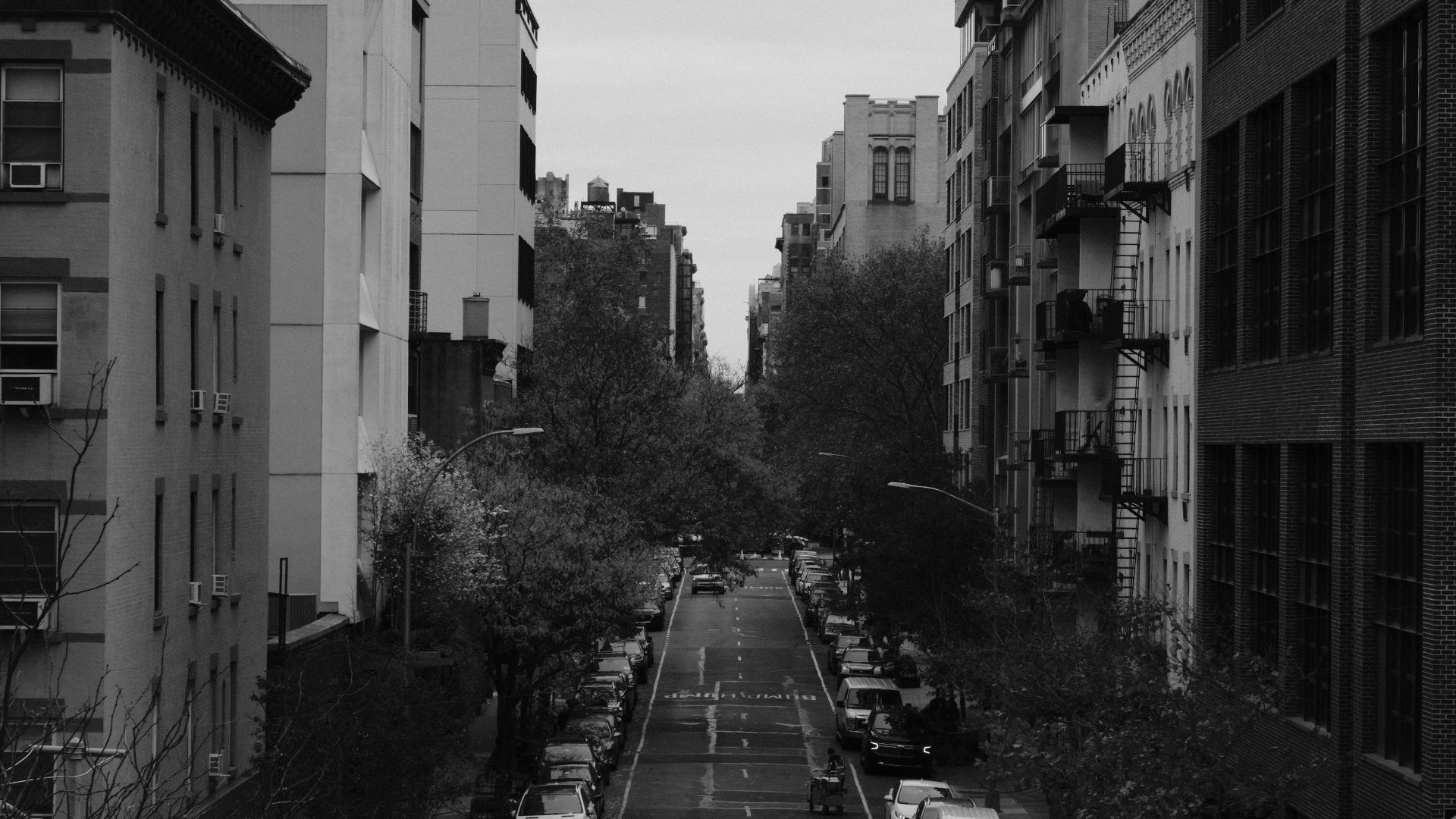
The film takes place after violent riots break out due to police brutality. From the beginning, there is tension in the air. The audience feels that something bad is going to happen. One of the most important artistic choices Kassovitz makes is filming in black and white. This gives the movie a raw, documentary-like feeling. It removes distractions and makes the story feel timeless. The lack of color also reflects the harsh reality of life in the banlieues, where hope often feels limited.
Camera techniques play a big role in creating emotion. Close-up shots allow us to clearly see the frustration and fear in the characters’ faces. Wide shots of the housing projects make the boys look small and trapped, showing how powerless they are within society. The film also uses a ticking clock that appears on screen throughout the story. This reminds us that time is passing and builds tension, as if we are counting down to something tragic.
The story focuses on three friends: Vinz, Hubert, and Saïd. They come from different backgrounds; one Jewish, one Black, and one Arab. Their friendship is strong because they only truly have each other. Society does not make them feel safe or respected, so they depend on their group for support. Peer pressure is an important theme in the film. The boys want to protect each other, but they also influence each other’s behavior, sometimes in negative ways.
Vinz is the character most consumed by anger. After a friend is seriously injured by police, he says he wants to kill a cop. He claims it is for revenge, but his true reason is respect. He believes that if people fear him, they will respect him. His anger comes from feeling powerless and invisible. However, when he actually experiences the reality of holding a gun, we see a change in him. He begins to understand that violence is not as powerful as he imagined.
Hubert, on the other hand, tries to stay peaceful. He believes that hate only creates more hate. Throughout the film, he encourages Vinz to stay calm and think about the consequences. However, as he continues to witness racism and injustice, we see Hubert slowly losing hope. By the end of the film, even he begins to give in to anger. This creates dramatic irony: Vinz starts as the violent one and becomes calmer, while Hubert starts calm and becomes hardened by everything he has experienced.
Saïd stands somewhere in the middle. He shares the anger toward the police but does not push Vinz to act violently. He follows his friends and is influenced by both sides. His character shows how easy it is to be pulled along by the emotions and actions of others.
While watching La Haine, I was reminded of Taxi Driver, directed by Martin Scorsese. Both films explore themes of alienation and anger. In Taxi Driver, the main character, Travis Bickle, feels isolated and ignored by society, much like Vinz. However, unlike the boys in La Haine, Travis is relatively privileged and does not face the same level of social and systemic struggles as they do. His anger comes more from personal frustration and loneliness, rather than from oppression or discrimination.
Both characters see violence as a way to gain control and meaning in their lives. However, there is a key difference. Taxi Driver focuses on one lonely man’s psychological breakdown, while La Haine focuses on a group of friends and highlights social inequality and community struggles.
The acting in La Haine is outstanding. Vincent Cassel, Hubert Koundé, and Saïd Taghmaoui deliver natural and believable performances. Their conversations feel real, which makes the audience connect deeply with their characters. The soundtrack also adds to the atmosphere, fitting perfectly with the mood of each scene.
In conclusion, La Haine is far more than just a film about violence. It is a powerful social commentary on inequality, racism, and the consequences of marginalization. The message “hatred breeds hatred” remains relevant today. The film challenges viewers to look beyond headlines and ask why anger and riots happen in the first place. Nearly 30 years later, its themes still feel urgent and important. La Haine is truly a masterpiece that stays with the audience long after the final scene.


