
Carnival During Lent in Norway: Why Schools and Kindergartens Celebrate Even After Lent Begins
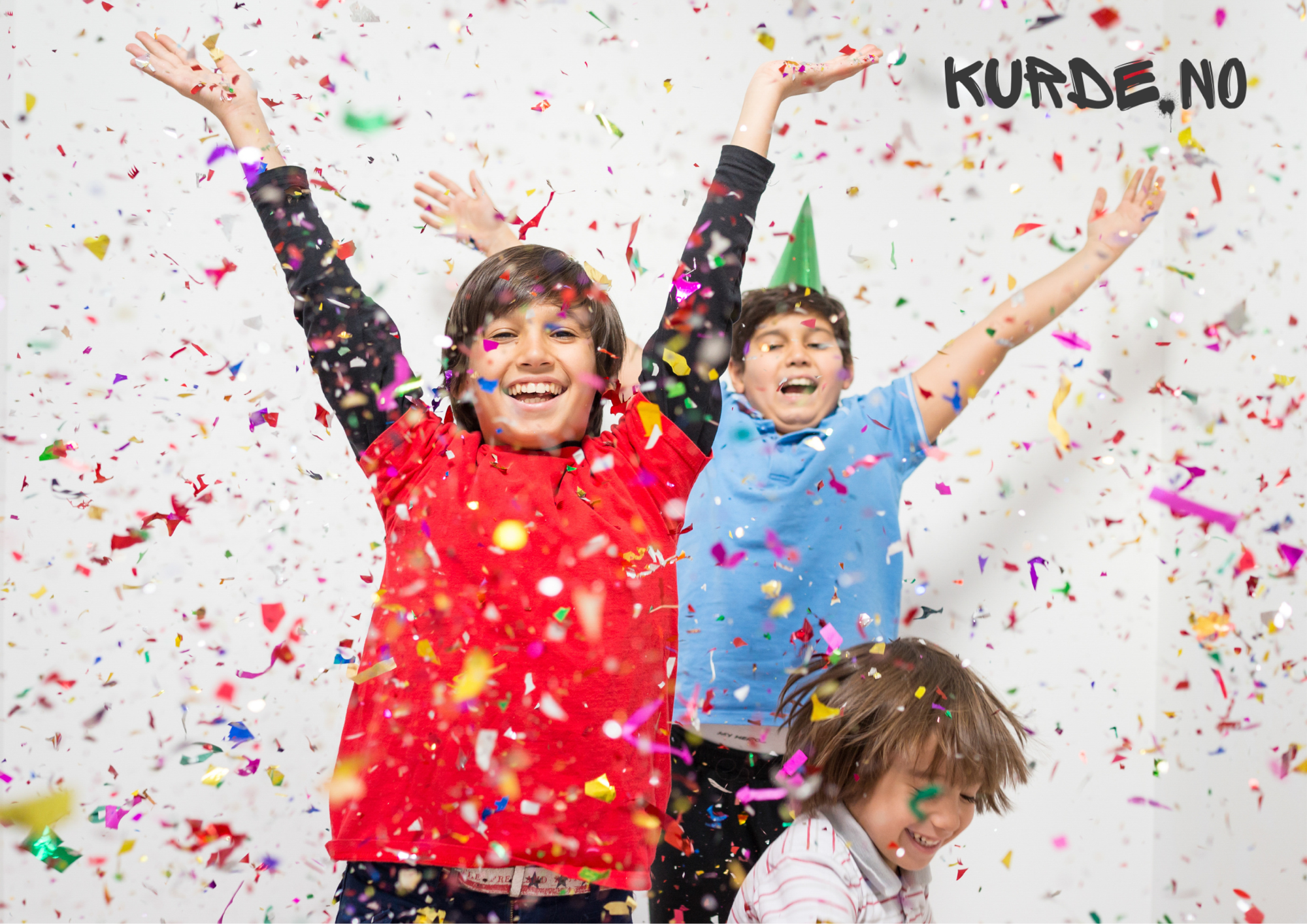
Every year, as winter slowly comes to an end, Norwegian schools and kindergartens fill with costumes, laughter, and sweet treats. Children arrive dressed as superheroes, animals, and fairy-tale characters, and classrooms turn into spaces of play and creativity.
For many people from countries where carnival strictly ends before Lent, this can be surprising — because in Norway, these celebrations sometimes take place after Lent has already started.
So why does this happen? The explanation lies in cultural tradition, not in a misunderstanding of the calendar.
The Fastelavn Tradition: Norway’s Version of Carnival
The Norwegian approach to carnival comes from Fastelavn, a historical celebration that traditionally marked the period just before Lent.
Today, Fastelavn is mostly a cultural and family-oriented tradition rather than a strictly religious observance. In schools and kindergartens, it typically includes:
- costume parties and themed activities,
- group games and creative workshops,
- the famous fastelavnsboller — sweet buns filled with whipped cream.
Although the tradition has Christian roots, in modern Norway it functions largely as a seasonal celebration focused on community and fun.
Why Carnival Dates in Schools Are Flexible
One of the key reasons carnival events may happen during Lent is simple: practical planning.
Norwegian schools and early childhood institutions usually schedule celebrations based on:
- school timetables and staff availability,
- the period around winter holidays,
- ensuring that as many children as possible can participate.
Because of this, the exact date is often flexible. The celebration keeps its festive spirit but is no longer strictly tied to the religious calendar.
Poland vs. Norway: A Cultural Difference in Tradition
The contrast becomes clear when compared with countries such as Poland, where carnival traditionally ends on Shrove Tuesday, just before Ash Wednesday.
In Polish culture, customs are still more closely connected to the liturgical calendar, creating a clear boundary between the festive season and the reflective period of Lent.
In Norway, however, traditions have gradually taken on a more social and cultural role, reflecting the country’s highly secular public life.
How Traditions Adapt to Modern Society
The difference does not mean traditions are fading. Instead, it shows how they evolve.
In Norway, seasonal celebrations in schools are primarily about:
- building community,
- encouraging creativity,
- bringing light and joy during the darkest part of the year.
The timing becomes secondary to the experience itself.
More Than a Date: Carnival as a Celebration of Community
Whether it happens before or during Lent, carnival in Norwegian schools and kindergartens is less about religious symbolism and more about shared moments.
It is a celebration of childhood, imagination, and togetherness — a reminder that traditions can keep their spirit even as their meaning shifts with society.
In this way, carnival during Lent is not a contradiction, but a reflection of how cultural customs continue to adapt in modern Norway.


